Dubai Real Estate Market Overview

Dubai Real Estate Market – Growth, Trends & Investment Insights

Why Area Matters in Dubai Property Investment

Choosing the right location is the single most important factor in Dubai real estate. Whether you're buying for rental income, capital appreciation, or personal use, the area determines your ROI, tenant demand, and long-term value. Dubai offers over 60 freehold zones open to foreign ownership, each with its own character, price range, and growth trajectory.

Market Growth Snapshot

AED 400+ Billion

in real estate transactions in 2024

20% Year-on-Year Growth

in property sales volume

Off-Plan Dominance

Over 70% of new launches are off-plan

Record-breaking launches

Branded residences, waterfront towers, and villa communities

Key Drivers:

  • Expo 2020 legacy and infrastructure expansion
  • Dubai 2040 Urban Master Plan
  • Surge in foreign ownership and Golden Visa demand

Foreign Investment Trends

Dubai’s property market is increasingly global:

Country Buyer Share Popular Areas
India
20%
Business Bay, Downtown
UK
15%
Dubai Marina, Palm
Russia
12%
JVC, MBR City
China
10%
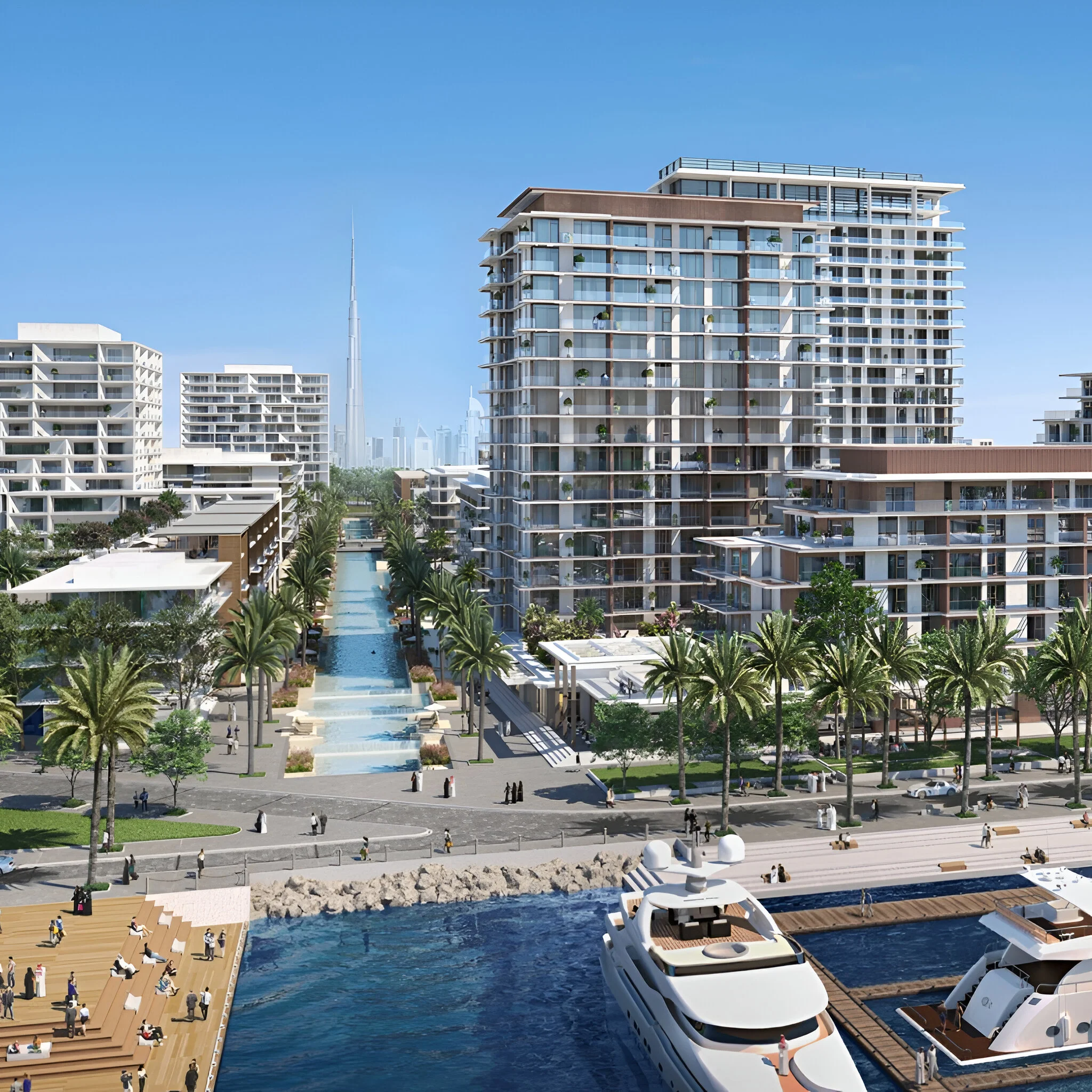
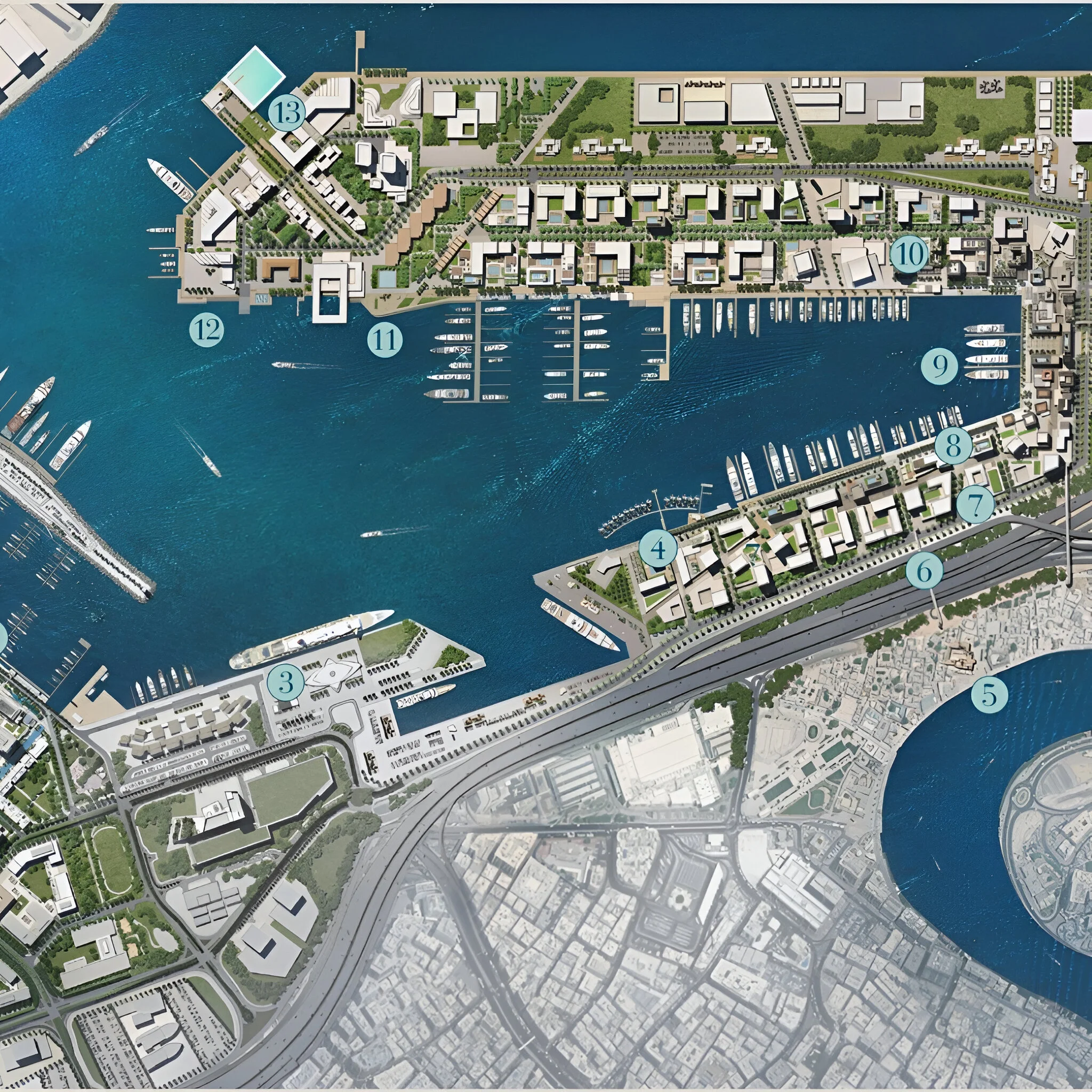
Dubai Creek Harbour
GCC Countries
18%
Dubai Hills, Arabian Ranches

Why Foreign Investors Choose Dubai:

  • No property tax or capital gains tax
  • Freehold ownership in 60+ zones

  • High rental yields and resale liquidity

  • Residency through property investment

Dubai offers full ownership rights to foreigners in designated freehold areas. These include:

Downtown Dubai, Business Bay , Dubai Marina , Palm Jumeirah ,

JVC , MBR City , Dubai Hills Estate Dubai Creek Harbour.

Legal Framework:

  • RERA (Real Estate Regulatory Agency) ensures transparency
  • Escrow accounts protect off-plan buyers
  • Title deeds issued by Dubai Land Department

Off-Plan Boom & Payment Flexibility

Off-plan projects dominate Dubai’s development pipeline, offering:
• Flexible Payment Plans: 1% monthly, 60:40, 70:30, post-handover options
• Lower Entry Prices: Compared to ready properties
• Capital Appreciation: Especially in emerging zones like Dubai South and MBR City
Popular Off-Plan Developers:
• EMAAR
• DAMAC
• Sobha Realty
• Binghatti
• Danube
• Ellington
Area Avg Rental Yield
JVC
8–10%
Business Bay
6–8%
Dubai Marina
7–9%
MBR City
7–10%
Dubai Hills Estate
6–8%

Rental Demand & ROI

Dubai’s rental market is thriving due to:

  • Expanding expat population
  • Rise of digital nomads and remote workers
  • Short-term rental platforms (Airbnb, Booking.com)

Future Outlook: Dubai 2040 Master Plan

Dubai’s long-term vision includes:

  • Expanding green spaces and public transport
  • Creating 20-minute cities with integrated communities
  • Boosting tourism, healthcare, and education hubs
  • Enhancing sustainability and smart city infrastructure

Impact on Real Estate:

  • New zones like Dubai Islands and Palm Jebel Ali
  • More branded residences and mixed-use districts
  • Continued off-plan launches with investor incentives

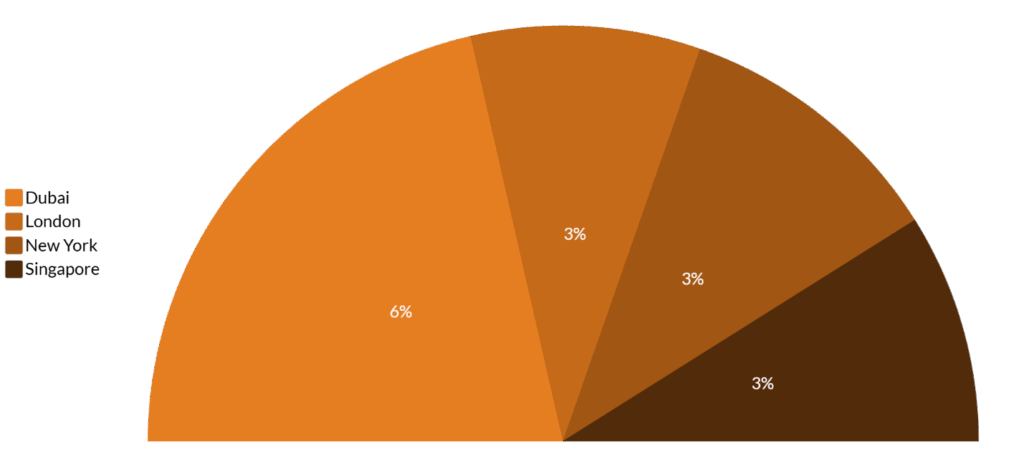
Comparative Analysis of Real Estate Investment Return (ROI): Dubai vs. Major Global Cities

Comparison Metric Dubai London New York Singapore
Average Gross Rental Yield (Annual)
6.0% – 8.0% (Reaching 10% in some areas)
2.5% – 4.0%
3.0% – 4.5%
2.5% – 3.5%
Net Income Tax on Rental Income
Zero (0%)
High
High
High
Net Capital Gains Tax
Zero (0%)
High
High
High (High Stamp Duties)
Capital Appreciation (2021-2024)
Very High (50%+ Average Growth)
Moderate
Moderate
Stable, constrained by government measures
Average Entry Price (Per Sq. Ft.)
Lower ($550–$1,500 per sq. ft.)
Higher ($1,500–$3,000+ per sq. ft.)
Higher ($1,200–$2,500+ per sq. ft.)
Higher ($1,200–$2,000+ per sq. ft.)
Overall Risk/Tax-Adjusted ROI
The Best (Due to High Yields & Zero Tax)
Good (but diminished by taxation)
Good (but affected by high entry cost)
Good (but limited by high entry cost)

Average Gross Rental Yield (Annual)